
Optimal Timing for Storm Restorations
Storm restorations are most effective when performed during periods of mild weather, avoiding extreme cold or heat. The optimal time is typically in late spring through early fall, when weather conditions are more stable and conducive to repairs. Proper timing can help ensure safety, reduce delays, and improve the quality of restoration work.
Spring offers longer daylight hours and moderate temperatures, making it ideal for storm damage repairs before summer storms begin.
Summer months can bring frequent storms; scheduling restorations early in the season can minimize disruption and prevent further damage.
Fall provides cooler, stable weather conditions, allowing for comprehensive repairs before winter weather sets in.
Winter is generally unsuitable for storm restorations due to cold temperatures, snow, and ice, which can hinder repairs and safety.
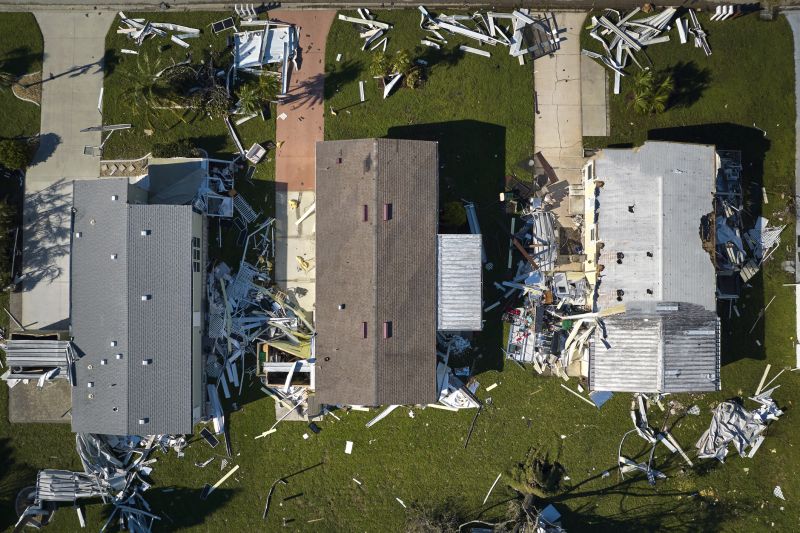
Assessing damage after storms to determine restoration needs.
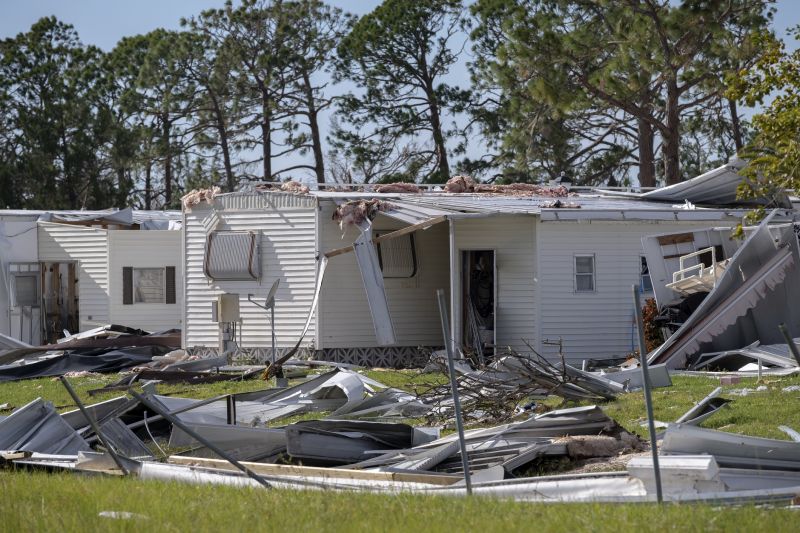
Scheduling repairs during optimal weather conditions.
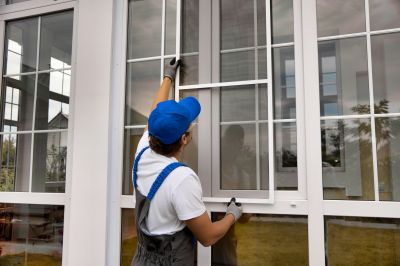
Executing repairs during favorable weather periods.
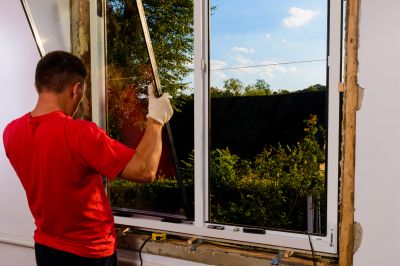
Ways to make Storm Restorations work in tight or awkward layouts.
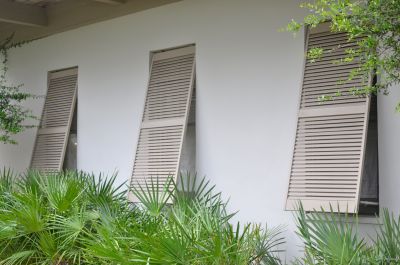
Popular materials for Storm Restorations and why they hold up over time.
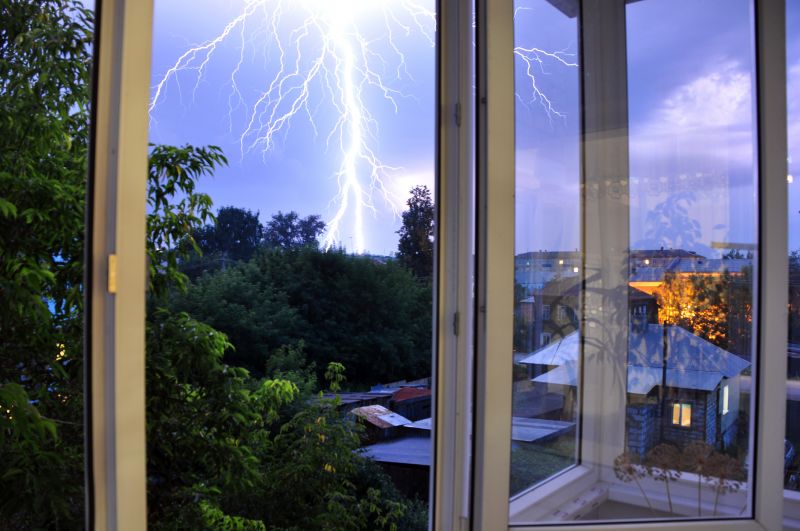
Simple add-ons that improve Storm Restorations without blowing the budget.
| Season | Ideal Conditions |
|---|---|
| Spring | Moderate temperatures, longer days, less storm activity |
| Summer | Long daylight hours, early season scheduling recommended |
| Fall | Cool, stable weather, before winter |
| Winter | Cold, snow, ice, generally unsuitable |
Storm restorations involve repairing damage caused by severe weather events such as high winds, hail, and heavy rain. These repairs may include roof replacements, siding repairs, and structural reinforcement. Timely restoration minimizes further damage, preserves property value, and restores safety. Data indicates that addressing storm damage promptly can reduce repair costs by preventing secondary issues like water intrusion and mold growth.
Proper planning and scheduling during the appropriate season can improve restoration outcomes. Weather conditions play a critical role in the quality and safety of repairs, making timing an essential factor in storm damage management.
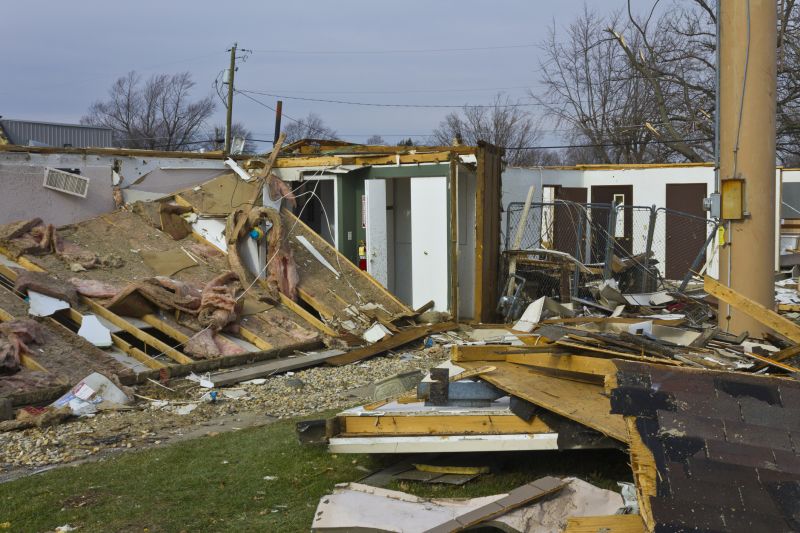
Visual evidence of storm impact on properties.
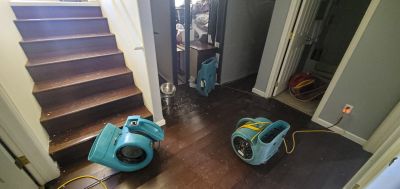
Tools and machinery used in repairs.
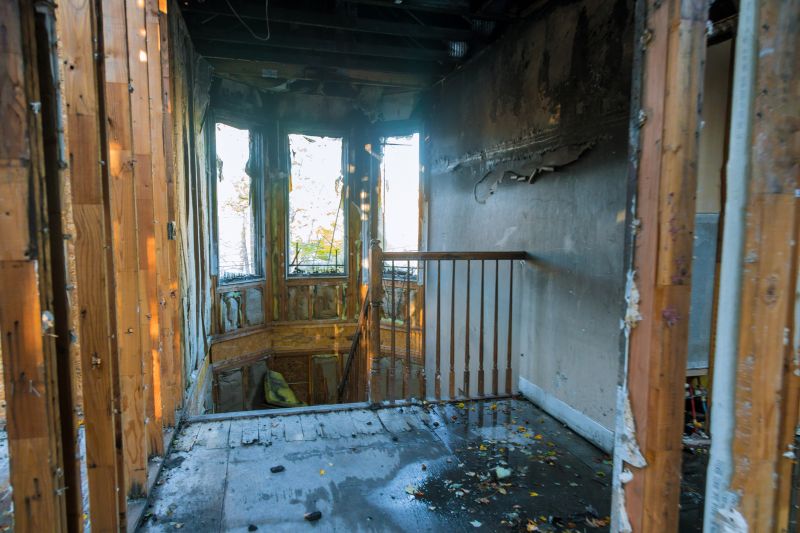
Completed restoration showcasing quality work.
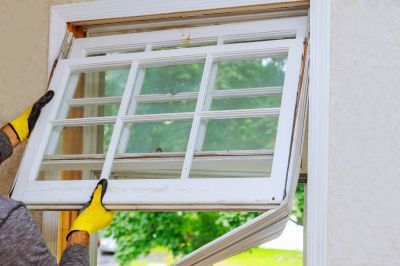
Restoration professionals performing repairs.
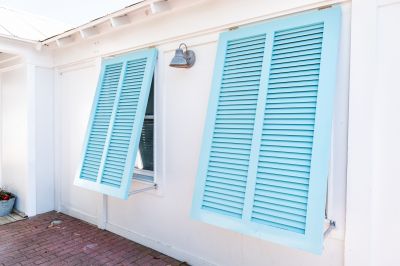
High-end options that actually feel worth it for Storm Restorations.
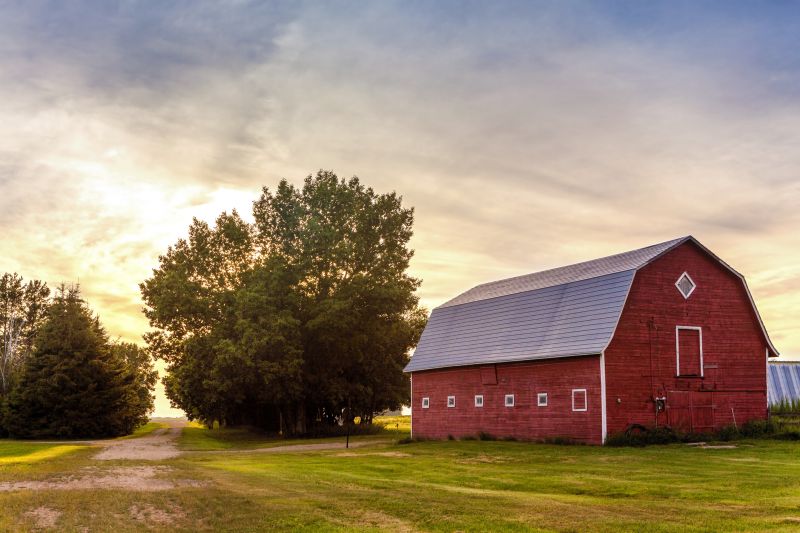
Finishes and colors that play nicely with Storm Restorations.

Little measurements that prevent headaches on Storm Restorations day.

A 60-second routine that keeps Storm Restorations looking new.
Individuals interested in storm restorations are encouraged to contact for assessments and scheduling. Proper timing and expert intervention can ensure durable repairs and peace of mind during future storm seasons.